
A Writer's Job — and What It Isn't
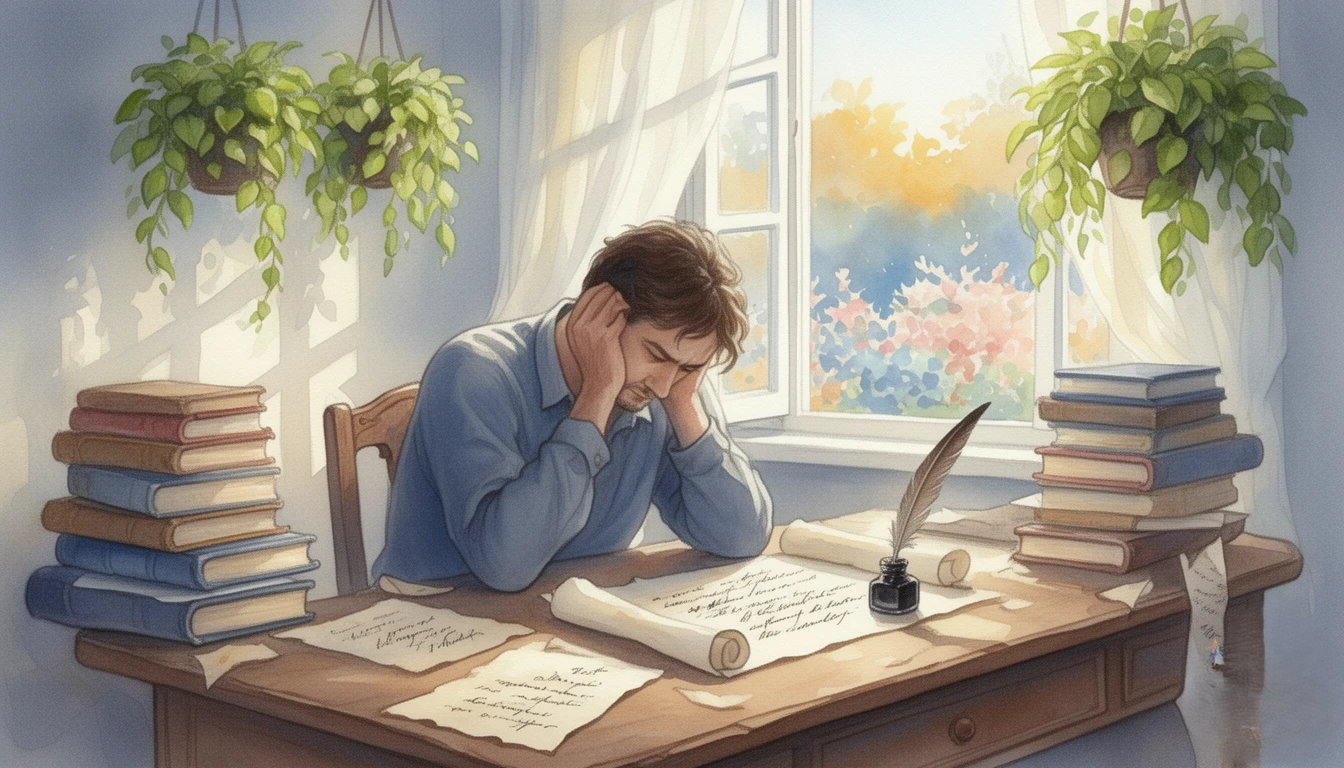
Writers often feel the pressure to create flawless pieces and are insecure about the mistakes their narratives may contain. But should a polished draft really be their goal?
WRITINGEDITING
Mahima Bhagwat
6/19/2026

Clients often come to me apprehensive about the quality of their writing. When it comes down to me actually looking at what they have written, it's not uncommon to hear cautionary sentences like, "Oh, please don't mind any typos" or "Sorry, I didn't have time to clean up the draft" or "I'm anxious I've done too much telling and not enough showing."
And my response is always the same—Trust me, you have nothing to worry about. Writing is freaking hard! I know because I've tried writing a book or two. And I gave up because editing the chapters I wrote was easier, and much more enjoyable.
I cannot emphasize how strongly I believe that a writer's job is simply just to write. It is not to format or edit or polish or finalize. Those steps come later and those steps are meant to be done with help. Even famous artists of old—Monet, Rodin, da Vinci, Austen—had assistants or editors who would enhance, alter, create copies of, or restructure their works of art. But first, the art has to be created, if not in full then at least in part.
To write a novel or PhD thesis or a research-heavy book requires a general plan and an idea of what theme, message, or information you want to communicate. Then, quite simply, you must write, doing your best to get the general narrative down as completely as possible without getting lost in the finer details. This is the hardest part of the process of writing. It takes time and commitment. After all, anyone can have a great idea, but only a small percentage of people will actually turn their idea into full-fledged manuscript. As James Thurber, author of The Secret Life of Walter Mitty said, "Don't get it right, get it written."
This isn't to say rewriting isn't part of the process of writing. It certainly is. Once a draft is completed, a writer should go over it once, twice, thrice, or more to refine and solidify and bring their vision to life on the page. But somewhere early in the rewriting stage is where the solitude of writing must end. Sooner, rather than later, the process of writing must cross paths with the process of editing.
I maintain that if it is a writer's job to create a first draft, then it is an editor's job to create the final draft. Of course, as an editor I am biased. But even a cardiac surgeon needs trained nurses and an anesthesiologist on hand to successfully complete a surgery. In the same vein, if the goal is to complete a book, then it is not on the writer to complete it alone.
Writing is difficult. Getting it "right" is an ever-shifting goalpost. If you have a writing project, support from an editing professional can make writing less lonely, more informed, and a more rewarding experience. I highly recommend hiring one!